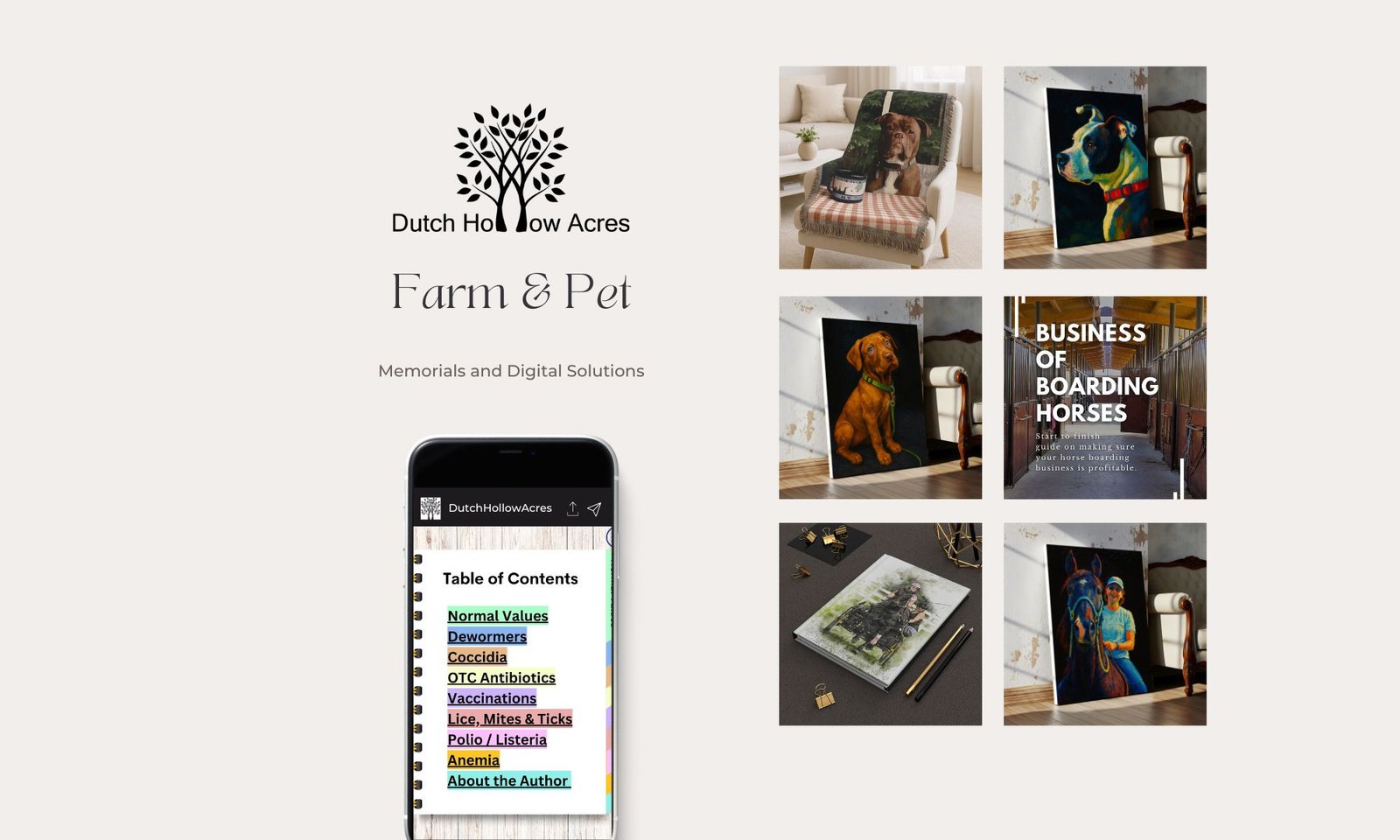
Installing a fence (Part 1)

Day 1 – Measuring

The most difficult part of installing a fence making sure you get a straight line.  We have a flag lot so and our house is in the center of the property so we drive down ¼ mile of our fence line every day.  Another 400 feet of the fence backs up to the backyard of our neighbors and it’s something they will have to view every single day.  This means installing a fence with a very straight line that is esthetically pleasing for both us and the neighbors. 

Time to get out the survey map!  Chances are when you bought your property a survey was done and you should have gotten a map that gives you measurements and locations to all the survey markers.  We found our markers and punted a T-Post in at each one so it would be easy to find.  If the T-post was at the property line of the neighbors we were nice enough to put a 2”x2” vinyl sleeve and painted it hunter green so it wouldn’t be ugly.  Some of our neighbors even used those posts to mount bird houses on which the blue birds just love.  

We wanted a lane all the way around our pastures so we measured out from the T-posts our lane distance of 25’ and put in a stake.  We did the same for the top line to find the top corner posts.

This sounds like easy work but took a full day! The fun part of this story, while we were drilling the holes the following day one of our neighbors came over for some composted manure and we got to talking about the fence.  Comes to find out he’s a professional surveyor!  :o) Next time we need a 400’ straight line we know who to call!

Day 2 – Marking the posts

With all the measuring from the previous day we finally could mark where our posts were going to go.  Plan first; a 6 strand high tensile fence needs bracing at the corners. Spacing for the corner posts is 8 feet and then we decided to have a 10’ spacing for the posts.  With high tensile fencing you can go as far as 30’ between posts down the line if on flat ground. We are hilly and want to have our top line be HorseRail which requires a 10’ space between posts.

Once all the flags where in where we plan on putting the posts we took out our guide line.  If you use a post pounder you can keep the guide line in but we use a post hole digger so it needs to be removed.

From this point on the project moves pretty quick. Drill the hole, drop a post, tamp it in and repeat.  WNY is in a bit of a drought but there’s rain coming so we decided to drill all the hole, put the posts in them so no one would get hurt falling in a 4’ hole and will tamp them in after the rain comes. Note: corners need to be cemented in! You’re talking about 200psi per line when under tension so be sure to make the corners right the first time.  High tensile will not show rust for 50 years and with pressure treated posts this fence should last you your whole life with minimal maintenance.
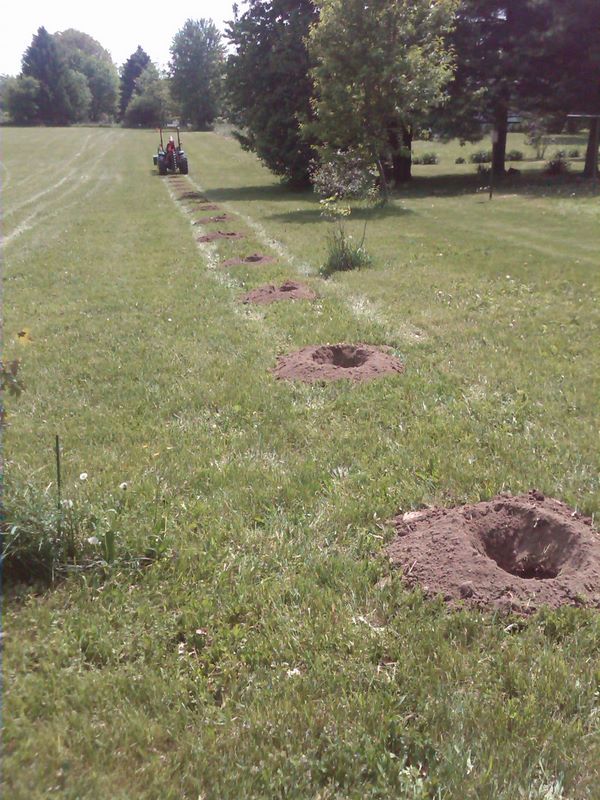
Post Hole Digging Fun: Half way through our line we hit a pretty big rock and the auger got stuck.  Usually this isn’t overly exciting.  We put a pipe wrench on the auger and back turn it out of the hole. This time it didn’t work.  Push or Pull that auger wasn’t budging. Out came the backhoe! We had to dig a hole next to it and yank out the poor PHD.  Good news, no damage and we finished the line by the end of the day like planned.
Tablet Weaving

I’ve always enjoyed braiding and have made many items out of alpaca by spinning the yarn into cord and then using different types of braids to make rope, leads, collars, reins, etc.  What I love about braiding is the speed.  In about an hour I can have a finished product.  The drawback is the ability to have patterns. I’m confined to solid colors, a random color insertion or stripes.

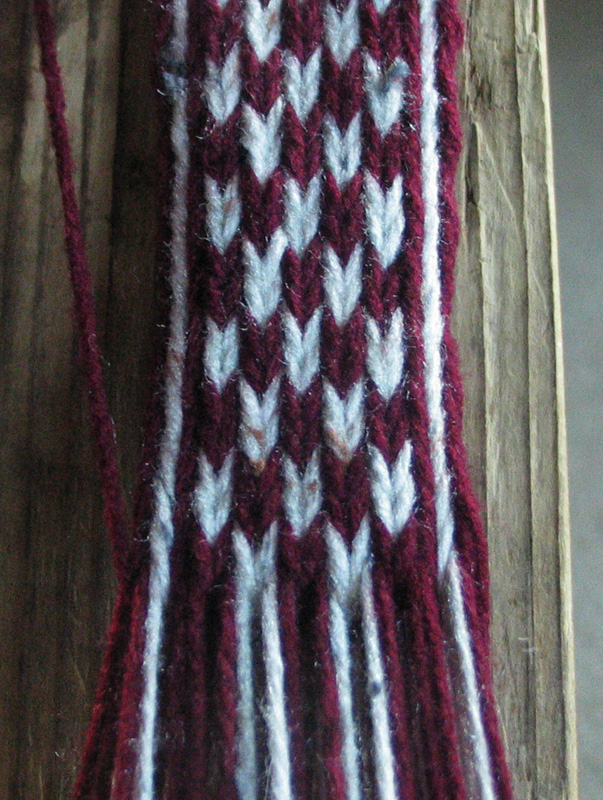
Always thinking about other ways to use my alpaca I came across tablet weaving.  The tablet weave has been around for 100’s of years and is the basic form of weaving.  You can use any type of fiber like, silk, cotton, wool and yes alpaca.  What I like about tablet weaving is the ability to insert patterns and more colors into your work that braiding can’t do.  I’m currently learning how to make a simple checker pattern as you can see from the photos. 

Tablet weaving is a slower process.  With the pattern I’m currently working on the most time consuming part constantly having to untie and take out the twist that forms in the tail.  I think I’ll be working on a better board with some swivels that will take out the twist as I weave.  Other patterns involve a forward and back movement of the cards so a twist never builds up making the weave faster.

To learn more about tablet weaving here are the 2 sites where I learned the most.

http://www.stringpage.com/tw/basictw.html
http://www.lindahendrickson.com/

UPDATE! Visit our Warping Your Mini Loom Post

Don’t forget to visit Alpaca Farm Girl’s Fiber Arts Friday!


Alpaca Fiber Halter Tube

Welcome Fiber Arts Friday Followers

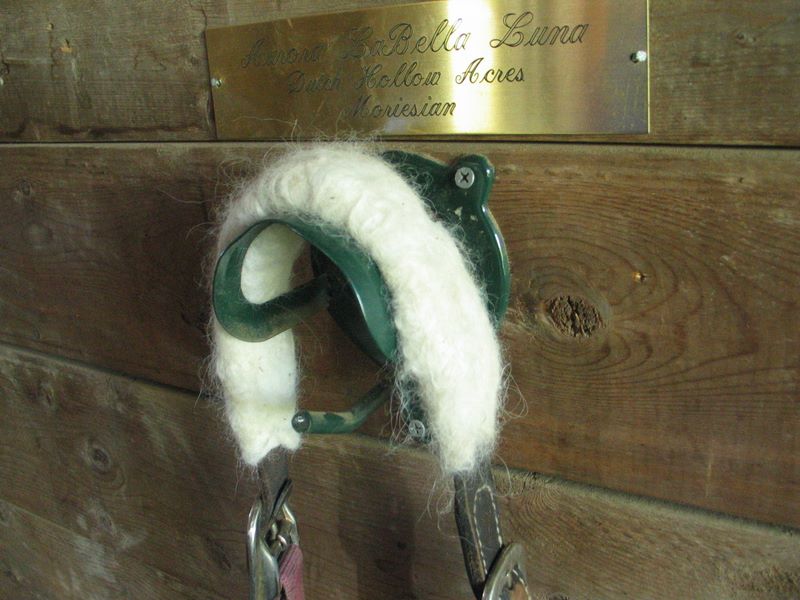
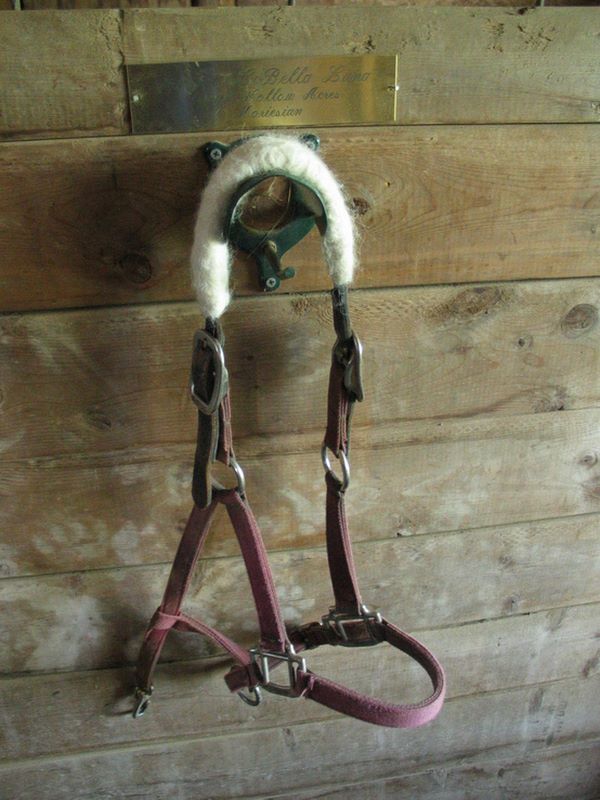
I might be new to alpacas but have lived and breathed horses since I as 2 years old.  Now that I have these fuzzy creatures in my left I’m constantly thinking of ways to use their fiber for my equine love.  So far I’ve made lead ropes and reins but it was a minor injury to one of the horses that inspired my next project.  A custom felted tube for a halter crown.

One of the horses managed to get in a bit of a pickle and received a rope burn under the halter. (So much for having a breakaway halter when it doesn’t break!)  Long story short she’s hairless and a little sore behind her ears.  I thought about buying a sheepskin halter tube but thought, why do that, I bet I could felt some alpaca around the area and make a nice soft padding.

The results speak for themselves!  Perfecto!  Even though this is felt it is just as soft and squishy as if it were sheepskin.  Viva Alpaca!


Poor Man’s Skirting Table

***NEW-Click Here for recent post for PVC Skirting Table with Supply List***

I spent Sunday afternoon skirting alpaca fiber.  Like the majority of new alpaca owners I’m broke after purchasing my foundation herd.  I feel like the blue collar redneck alpaca owner sometimes but honestly, I wouldn’t trade this lifestyle for anything.  It is hard work but very satisfying.

So what is skirting fiber you ask? Once the animal is sheared and the prime, 2nd and 3rd cuts are sorted in their baggies the hard work actually begins.  Each fleece has to be laid out and picked through to remove any short cuts and vegetation before it’s ready to send to the mill for processing.  A skirting table is what you lay the fiber out on.  This special table has holes in it so when you shake the fiber dirt, debris, and short cuts fall through while the fleece rests on top.  They even make fiber tumbling drums which rotate and toss the fiber around and let the crud fall through to the floor.  Tables or tumbles usually cost between $2-400.  That’s $ I don’t have laying around at the moment.

I’ve got 36 lbs of fiber to skirt and no table which is a problem.  So I started digging around the barn trying to think of what I could do to put together something at 0 cost to me. 

The solution?

          (2) 4×4 approx 5 feet long

          Chicken wire 24” x 5’

          Some staples 

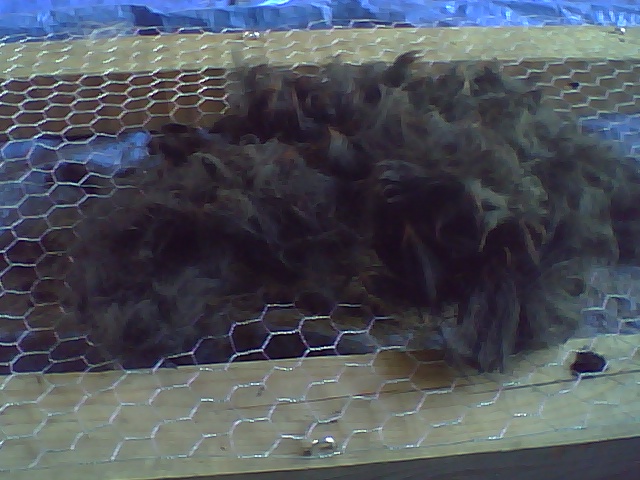
Tada, I give you poor man’s skirting table!  I was afraid the chicken wire would catch the fiber but it didn’t, the fiber rested on tope nicely.  The hole size in the wire was good too an anything shorter than 1.5 inches fell through.  I was surprised to see the amount of dirt and dust that fell out of the fiber. 

I’m happy with my little skirting table until I can afford to build a better one. So far I’ve managed to skirt all the prime fiber and will start on the 2nds next weekend.

Here’s a photo of my “table.”  I apologize for the photo quality, it was taken with my cell phone.

Dog Collar – Braided Alpaca

Meet Twila.  She’s the first dog to have a hand braided collar made out of alpaca! 

I have gotten quite a bit of feedback from alpaca owners wanting to learn how to make cord and braid their alpaca.  Please stay tuned for information about a braiding class. 

Don’t forget to visit Alpaca Farm Girl to see other Fiber Arts Friday posts!

==============================
1/22/10
I am awaiting the arrival of my new cord making machine so I can make the following without taking hours and hours to make just one!
– alpaca mecatet
-alpaca reins
– alpaca leashes
– alpaca show lead ropes for both horses and alpacas
– alpaca dog collars and more
==============================