Fiber Arts Friday – Resolutions

Welcome Fiber Arts Friday and Crafty Friday Fans.

It is 2011 and with it brings the dreaded New Year’s Resolution.  I made a few resolutions this year related to fiber. 

  1. Learn to knit
  2. Hand paint roving
  3. Learn to ply with thread
  4. Learn to spin beaded yarns

Sounds like a pretty extensive list doesn’t it?  Would you believe in 1 weekend I did every single one of those items?!  

The Christmas holiday flattened our household with the stomach bug and then a cold.  For a solid week everyone was bed ridden and by the time we started to feel better our boredom could be contained no more.  My mother-in-law(M-n-L) and I went fiber crazy!

Spinning

I had gotten some beautiful merino/bamboo/nylon blended roving from the “roving of the month” club I’m in and while I was still in a fog I spun it up into a thin single with plans of just plying it onto itself for a simple 2 ply.  However the colors wanted more than just a simple ply they wanted pizzazz!  It called out I want GOLD I want Glitter!

The only way I could think of adding some bling to the work was with beads and gold thread. With the help of M-n-L we beaded up some thread and swore a lot plying it into the yarn. 

It was so beautiful, I say was because I learned the hard way that with metallic thread you do NOT set the twist.  The second the yarn hit the water the threat went nuts and twisted up onto itself. *sigh* I would be disappointed but the yarn still looks great and even more unique with all the gold thread bits sticking out of it.
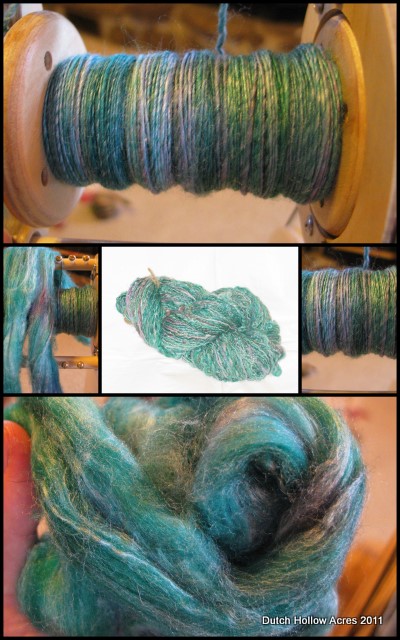
Beaded Yarn

Dying Roving

After the above spinning project I wanted to do more and M-n-L never dyed roving or yarns before so it sounded like a fun project to do.  I weighed out (2) 4 oz portions of roving and each of us got to paint away.  We opted not to wet the roving first so it would suck up the dyes better and not make even more of a counter mess. The end result? A whole lot of fun an laughing.
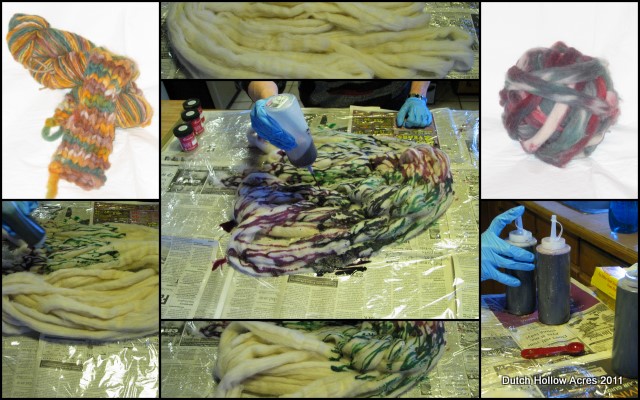
Hand Painted Dyed Roving

Knitting

Sunday came and the though of having to go back to work hung over the household.  M-n-L was knitting away on a sweater she was making out of yarn she had gotten for Christmas and I asked if she would teach me to knit.  Sure!

She taught me the “English” way and the general technique and sent me off to my own accord.  Immediately I hated the way the needles felt in my hands and worked them around until they felt better and started knitting.  As I was plodding away M-n-L asked what I was doing because my needles were flying away.  I guess I was a fast learner and ended up teaching myself the German way of knitting without knowing it.  After a few test patches I decided to tackle a full project.

I had gone to my local Yarn Boutique and picked up some Merino/Camel blend and it just called out to me “Hat.” So a hat it became. Tada!
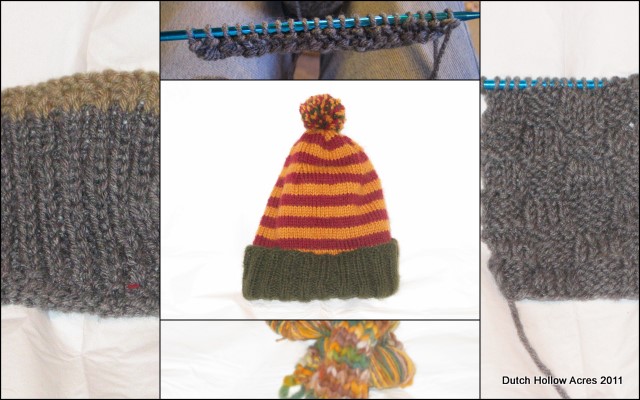
I learned how to knit

Well that wraps up my week.  Crazy huh?

What did you do?
Creating a Pasture or Paddock Paradise

The concept of a Paddock Paradise is the brain child of Jaime Jackson who wrote a wonderful book on it.  (buy book here).   The general idea of a paddock paradise is to create an environment for your horse that as closely mimics their natural habitat allowing them to travel distance and obstacles throughout the day instead of standing in a stall or munching on lush pasture.

The paddock or pasture is engineered such that a track or lane is formed around the outside perimeter and when possible includes natural obstacles such as creek crossings, hills, down trees, shade trees and more.  Having a track around the pasture area allows the horses to move from point A to point B taking the longest route possible especially if things a horse wants are spread out within the track.  For example: Hay may be at one point in the track but shelter is at another point, water at another and minerals at even another position.  Your equine friend now has to get moving if they want something instead of just shuffling from one corner of the stall to another or one. 

If you want to learn more about giving your horses a more stimulating and natural environment check out these
Paddock Paradise References:
http://www.paddockparadise.com
http://paddockparadise.wetpaint.com/

Since I have been slowing taking down old fencing and putting up new perimeter fencing I have recently gotten out the graph paper and have been engineering my own paddock paradise (pp) for my small herd.

A little about my set up:

Acreage: 11 total but a little over 3 acres for horse use
Horses: 3 total – 2 mare, 1 gelding
Perimeter Fence: Wood Posts w/Electric Tape top and 3 electric braid rope under that
Mud Paddock: Enclosed with field fence with water/minerals and shelter.  Horses are locked full time in here spring and fall so they do not damage the 3 acre field.

Paddock Paradise Changes:

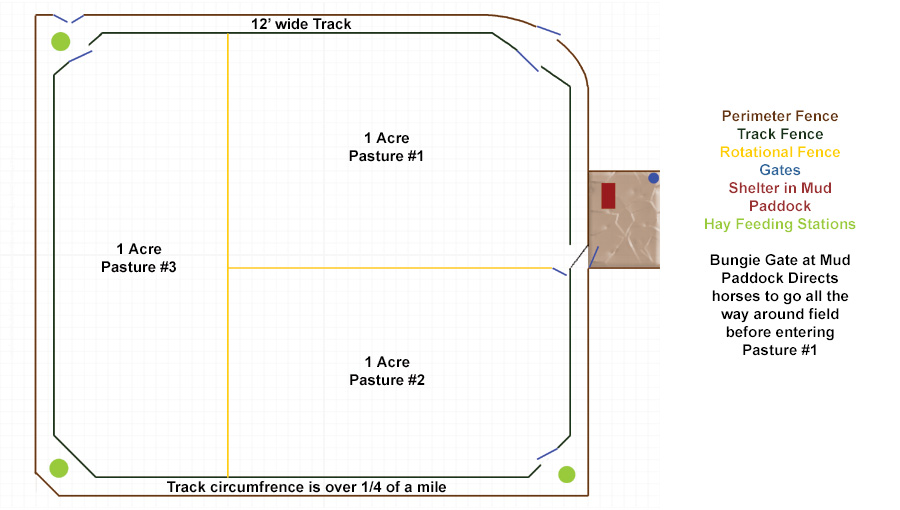
Track Fence: Step in fiberglass posts with Tape on top and 1 strand of braided rope under
Track: Track will be 12’ wide on the long sides and 20+ feet wide in corners to allow for resting/feeding stations
Pastures: Having a track will allow me to easily create (3) 1 acre rotational pastures with different entrance points for each yet keep my single point for water/mineral and shelter.

Dutch Hollow Acres Pasture Paddock Paradise


 Why am I making these changes?

–       I really wanted to create rotational grazing spaces but didn’t want to have the extra work of having to halter/lead each horse to the new pasture which also meant having to haul water to each of those pastures.  I also would have to be conscious that there would be no shelter in the rotational parts which would make me watch the weather even more.

–       In spring/fall when the ground is wet and muddy my horses are stuck in the mud paddock and stand still for almost a month or more before the ground freezes or dries enough to turn them out.  The track can be used year round and keep them walking by putting hay far away from shelter/water.

–       My horses are FAT! All that green grass with little walking on their part = one fat horse.  If I were to put a GPS on one of them for a day I’d doubt they’d walk more than ¼ of a mile.  Having this setup has proven that horses typically walk 2-7 miles a day on their own vs 1/2 mile or less with traditional paddocks.

–       Simple answer: Cut my work load down while increasing my horse’s!

If you are thinking of doing something similar I highly recommend getting the book.  It helps you a lot in all the planning.  Get out the graph paper and try different layouts for your property and keep in mind that mechanical equipment like trucks, trailers, tractors, mowers have to be able to get from point A to B also.

I’ve also been toying with the idea of doing a similar thing with my alpaca paddocks.  With the lush green grass in WNY I have some overweight alpacas and I’m thinking if I can get them walking more it’ll keep them in a better body score.  If I add areas with stone dust it would also help keep their nails trimmed too!

Again for more information about Paddock Paradise 

http://www.paddockparadise.com
http://paddockparadise.wetpaint.com/

Fiber Arts Friday – The Holiday Rush

Welcome back Fiber Arts Friday and Crafty Friday folks.

This week has been spent mostly with work.  Unlike most folks, the life of a geek gets crazier around the holiday’s when everyone else gets time off.  Something about people hate being without their precious internet so they make us all work when they’ve left to play and aren’t using it.  So, I hear by send out a Christmas salute to all my fellow tech heads who are buried in work like I am.

What did I managed to do with the little time I’ve had to myself?  I worked up some cord and braided this beautiful pair of reins.  Best part of this latest braid is that it is 100% alpaca and machine washable since I preshrunk the cord.  I have them up for sale but really have been eyeing them up for myself instead.  If they don’t sell by New Years I might have a Merry Christmas gift.

Alpaca Braided Mecate

I also managed to spin up some alpaca/merino/tencel that I plied and dyed.  I’d show a photo but it’s a gift so I don’t want to spoil it if someone gets nosey.

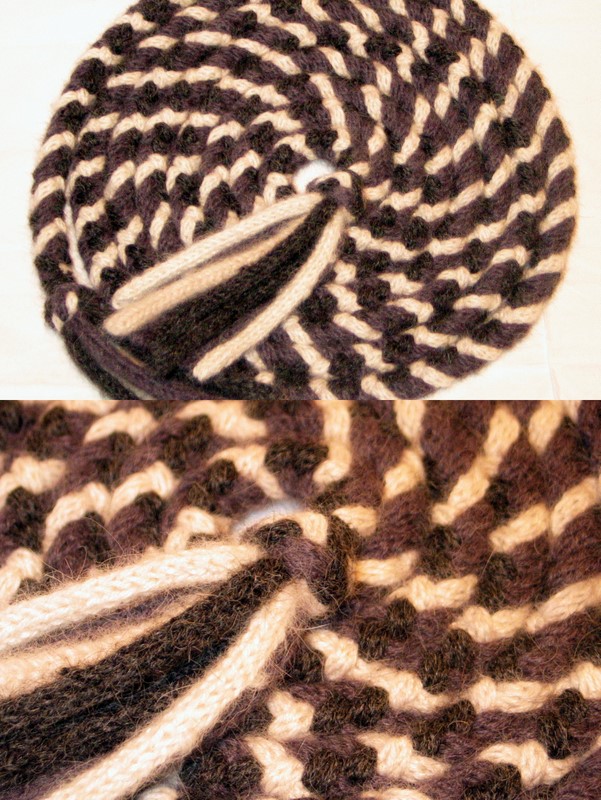
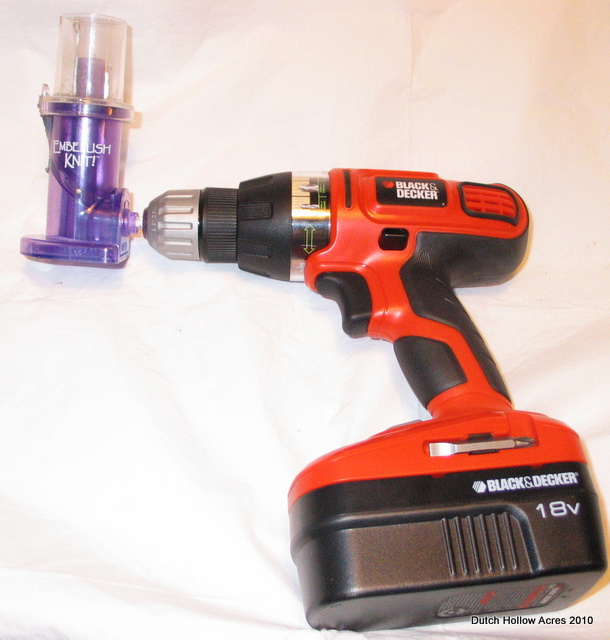
Lastly my hubba made me a great little tool for my fiber fun.  Ive been using the as seen on TV Embelish Knit to make knit cord for rugs and really thick yarn projects but its slow.  M kept watching me a little at a time make batches of cord and said, “wouldn’t it be nice to have that motorized?”  So he went out to his shop with my Embelish Knit in hand and worked up a metal attachment so I could hook up the devise to my cordless drill.  The result?  Fabulous, it’s so fast and easy to make cord now.  My only slow down now is having to stop and wind up the cord and then continue on.  FYI, the beautiful cordless drill? My birthday present from M, isn’t he awesome?

Embelish Knit Drill

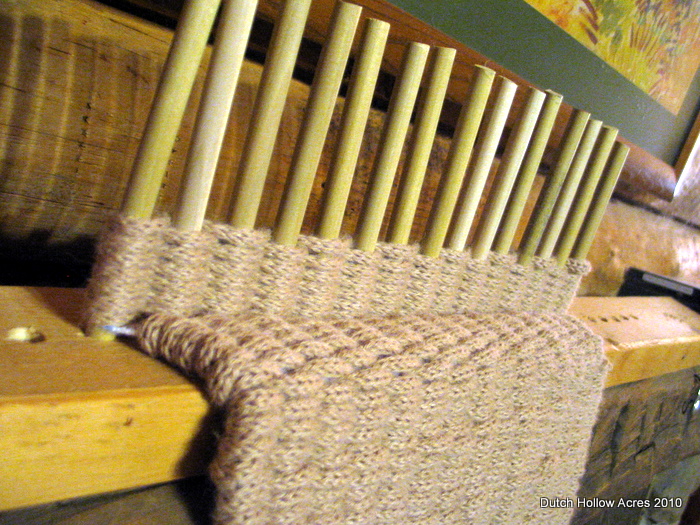
 You’ve seen this knit cord in past projects I’ve done as in the “Loom and Skein” post.

Rug Loom

Fiber Arts Friday – Sock Brigade

Welcome Fiber Arts Friday and Crafty Friday Followers.

This week I’m dedicating my post to the men and women in uniform serving this our country.  Many folks when they think of the mid east think desert and hot dry climate.  But they have winters too and because it is an arid climate their winters can be just as cold as back home.

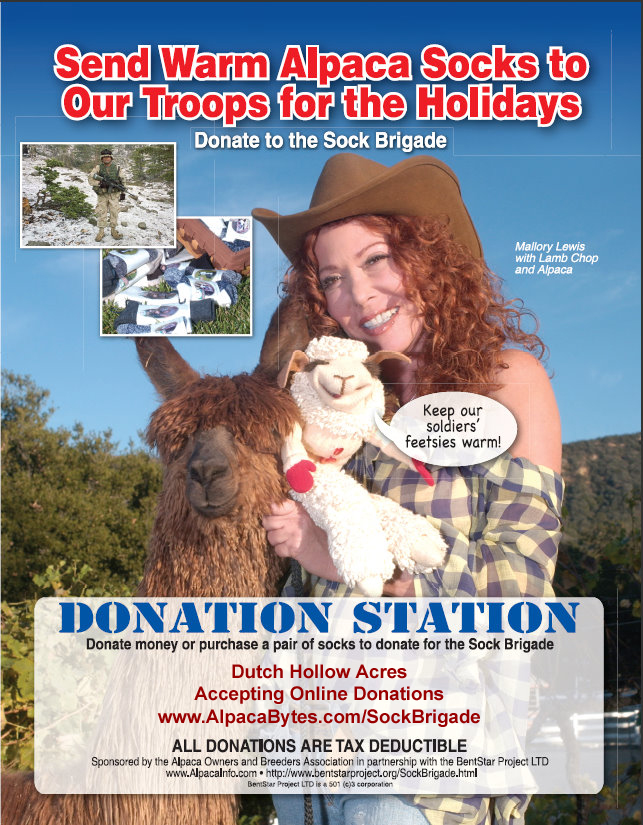
As a member of the Alpaca Owners and Breeders Association (AOBA) I am helping team up with Bentstar in an effort to provide warm alpaca socks to the men and women serving in the military this year.

Now through January 1st, 2011, I will be collecting both money and sock donations which will be sent to the Sock Brigade who will distribute them to those who are on active duty.

Here’s how you can help….

Donate Cash

Donate Survival Socks

Donate Extreme Socks


[wp_eStore_fancy3 id=33] [wp_eStore_fancy3 id=34]

If for some reason you don’t trust me to get your sock or money donation you can directly make your donations to…

Sock Donations Money Donations
 Sock Brigade c/o
Barbara Coleman
18100 S. Hwy. 99W
Amity, OR 97101
 Sock Brigade c/o
The Bent Star Project, Ltd.  (checks payable)
443 First St
Woodland, CA 95695-4023

Or online at

 http://bentstarproject.org/SockBrigade.html


Stocking Stuffer Ideas for the Alpaca Farmer

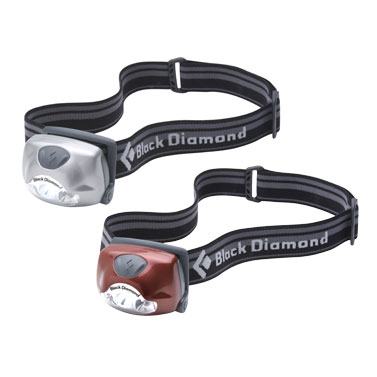
Head Lamp
 Head Lamp  Head Lamp – Perfect hands fee light when you need to illuminate your way around on dark winter nights.
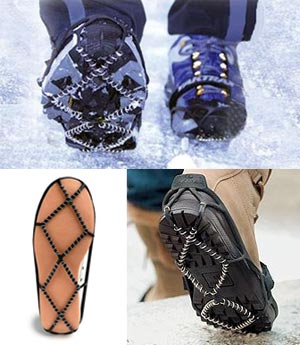
 Yaktrak  Yaktraks – Slip right on over muck boots to give a secure grip on even the most icy surfaces.  No more falls!
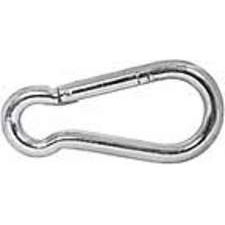
   Carabineers or Safety Snaps – I can never have enough of these around.  Help hold gates open, close hay nets, Water buckets, mineral buckets, and a million other uses.  They do break, rust and get lost and is always a “needed” farm item
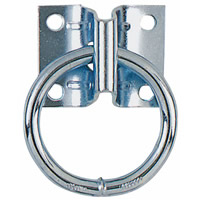
 Hitch Ring  Hitch Rings – What good would a snap be if you didn’t have something to attach it to? These rings work great for everything including your improvised homemade “paca trapper.”
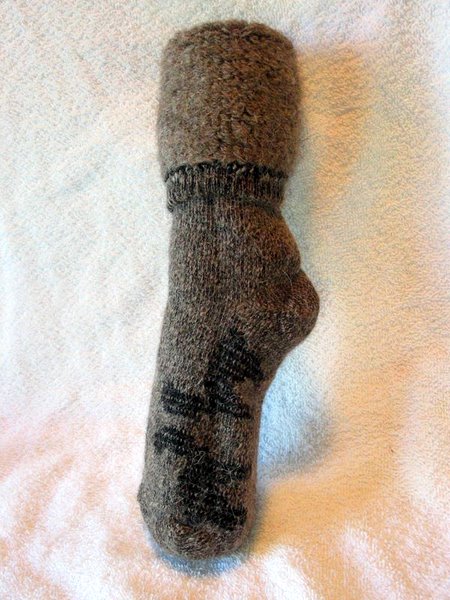
 AFCNA-Extreme-Alpaca-Sock  Alpaca Socks – Yes we may breed the animals and sell the socks but we too would love to keep warm with them!
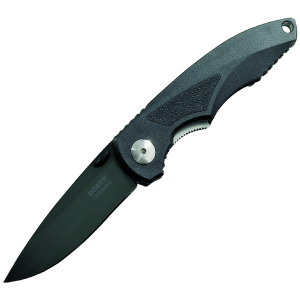
 barn knife  Barn knife, scissors, or snips – Ok alpaca folks, how many times have you gone to go get a bale of hay and can’t find your trusty utensil to cut the twine or snip the wire?!  I must have 4-5 hanging around the barn in various locations and always want more.
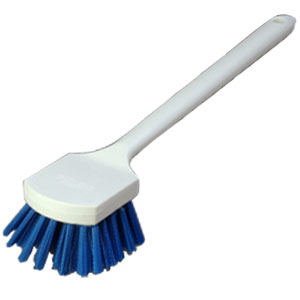
 Bucket Brush  Scrub brush – Hang one next to each and every water bucket you have! Keep your hands dry when doing a dump and scrub in the winter.
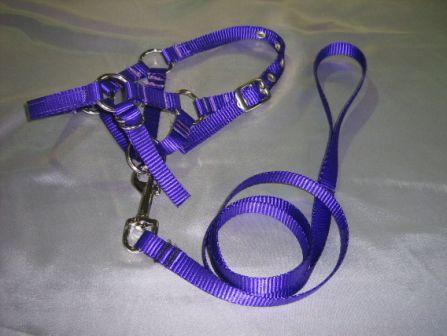
 Alpaca Halter and Lead  Halters and leashes – Technically you should have enough halters and leads hanging next to each stall to accommodate every single animal in that area in case of a fire or emergency.  How many of you actually have that many?
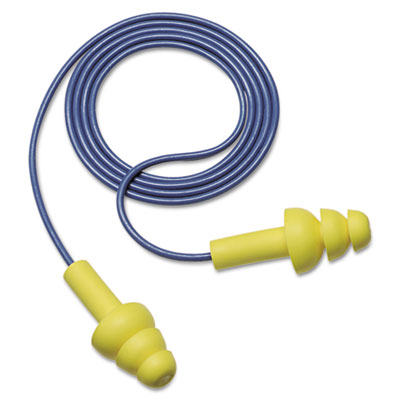
   Ear Plugs – another useful tool that constantly gets lost or is grungy.  You should always be using these when operating any machinery or when pounding t-posts.
 Gift Card  Gift Cards! – Not sure what to get? A gift card to Tractor Supply, Home Depot or Lowe’s is always perfect!