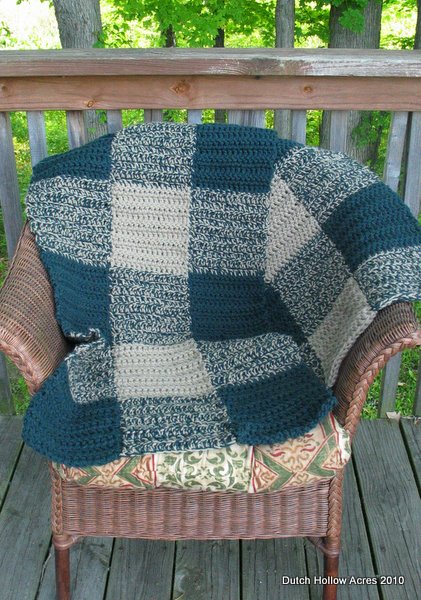
I have been working on a gift for my mom and I’m ½ way through and thought I’d share with you my progress. I call this one country flannel.
Mom asked for a warm lap blanket big enough to hide completely under. When I’m done the dimensions will be 4ft wide by 6ft long which will be plenty big enough I’m sure. It will be really warm too since it’s crochet using 2 strands of yarn so it’s double thick. I hope she enjoys the flannel pattern and colors; she wanted something that wouldn’t show pet hair too much. No alpaca in this one, I wanted to be easy to care for and be something she could throw into the washing machine so it’s out of acrylic.
One thing about bringing an abandoned farm back to life is dealing with the years of neglect and with all the pests that have called the place home.
One of the most annoying pests an old log home and wood barn has, is the carpenter bee. This fat dumb looking bee can easily be confused with the fuzzy bumble bee. The biggest differences between the bumble bee and the carpenter bee are their butts. Bumbles have fuzzy butts and carpenters have shiny ones. Bumbles also happily buzz around flowers and just look like they are having a great time. Carpenters are territorial and will hover in one spot and attack any insect that enters its territory. Thankfully, for as hostile as the carpenter bees are to other insects they really could care less about people or livestock.
Why are carpenter bees so bad? They destroy wood! The little buggers drill perfect little round holes in any solid wood, be it beams in the barn or logs in our home. At night I can actually hear them chewing away in the logs making new tunnels, drives me nutty! We’ve been fighting the carpenter bee battle with toxins which works amazingly well but has one big flaw; you have to find the hole! Sometimes the hole they call home is out of reach or you just can’t seem to find it which does you no good to puff nasty killing powder into it.
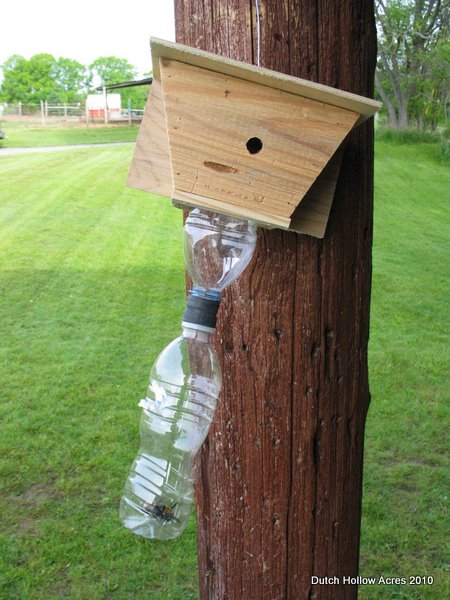
My husband has been doing some research on killing these annoying pests and found a guy who makes a carpenter bee trap. To be honest I thought the whole idea sounded silly especially after seeing the trap. They look like little bird houses with plastic bottles screwed into them.
Carpenter Bee Trap
The wood house has several holes drilled into it the same size as the average carpenter bee hole. As I had said, these bees are territorial and will fight one another and try to overtake each other’s dwellings. It turns out that these bees quickly locate the bee trap holes and enter to investigate, they end up falling into the plastic bottle and because they are so big and dopy they can’t fly or craw out. Tada, they are trapped.
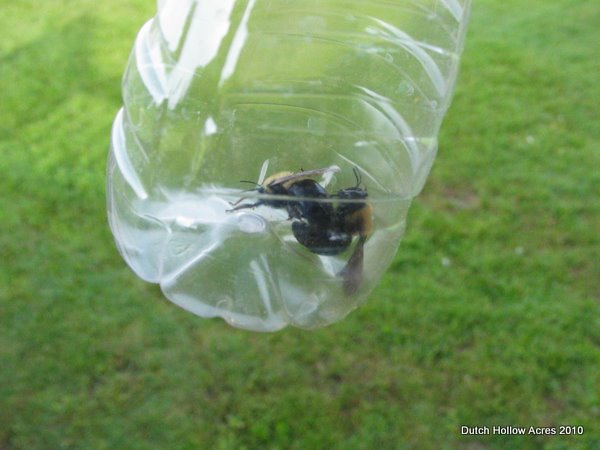
2 Trapped Carpenter Bees
I really didn’t think they’d work but after just 15 minutes of the first trap being set out 2 of them found their way into the bottle. I’m an instant believer in these traps and set 3 other ones up in problem areas.
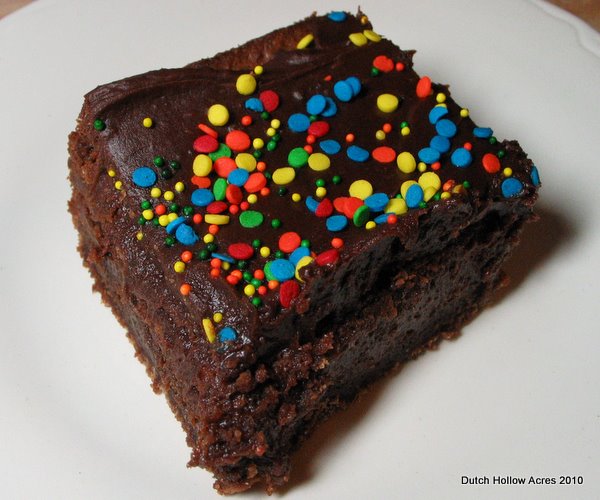
Sometimes I just need yummy comfort food and usually that spells chocolate. Here’s my latest treat.
Ingredients:
1 bar – 100% Ghiradelli chocolate (4oz)
1 stick butter
2 cups sugar
2 tsp vanilla
2 large eggs
1 cup sifted flour
Coat 8×8 inch baking pan with cooking spray and pre heat oven to 400 F.
Melt chocolate and butter in a microwavable container. Stir every 30 seconds to prevent burning. Mix chocolate mixture into sugar and vanilla and eggs one at a time. Do not use a mixer, stir with a wooden spoon. Slowly add in flour, stirring until fully blended in. Pour Mixture into baking pan and spread evenly
Bake 18-20 minutes so that the brownies start to pull from the sides of the pan. Remove and set aside to cool.
Frost with your favorite frosting and add sprinkles or nuts!
Recently we purchased a Wallenstein BXM Chipper Shredder to help with chipping all the trees and scrub brush we took down in our soon to be new orchard area. When considering buying a chipper we thought about going all out and getting the shredder to see if we could make our own livestock bedding.
If you’ve read my past posts about my experiences with different types of bedding you’ll know my distain for straw. I just hate picking through traditional straw bedding. The waste is just awful, it takes me much longer to muck a stall and once I get it out to the manure pile it takes forever and a day to compost. The price of straw vs. the wood pellet bedding I’m using now is night and day and right now I need to bring down the cost of doing business.
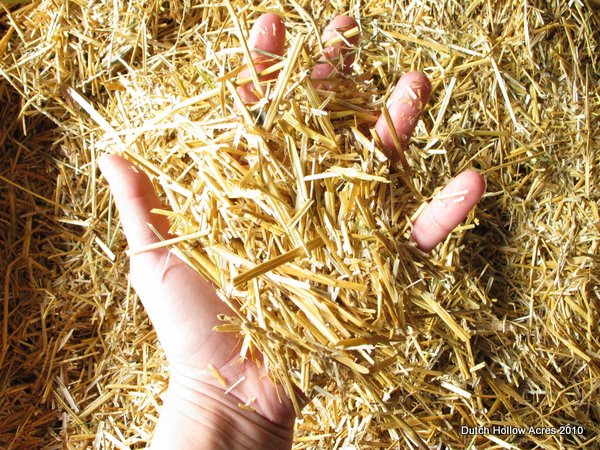
In comes the shredder. I’ve read about how shredded straw composts faster and is used at some dairy farms and also by mushroom farmers. So I decided to give it a try. I purchased a 500lb bale of straw for $40 and fired up the shredder. We aimed the shoot into our little red TSC dump trailer, stood up wind from the shredding and let her rip. 3.5 of the big flakes of straw filled the dump trailer really quickly and it filled one of our 11×11 stalls. 1 trailer full gave a great 4-6” deep bedding and covered the whole stall evenly. For comparison 4 ($7) bags of wood pellets gave me the same results. That’s $28 for pellets vs $8 for shredded straw. At this point I have a really big smile on my face.
With pellet bedding I have to add 1-2 bags per week for a stall with a mare and foal. There’s very little waste and I only have to take out the soiled areas. I know from past experience that with traditional straw bedding 3 flakes of straw would give me nice bedding but I had to strip the bed every day and add another 3 flakes. How would the shredded straw do?
Shredding the straw brought down the stalk size to 2-3 inches in length and even broke the stalk open so it no longer was a tube. The result is a very light fluffy bedding that sifts right through my favorite Dura stall fork just like wood shavings would. It doesn’t fall though like pellet bedding but with a few shakes of the fork the horse apples remain and the clean bedding falls through. Pee areas are sucked up nicely and are easy to spot and scoop up with minimal waste. I managed to pick through 3 stalls using just 1 wheelbarrow! Try that with traditional straw bedding!
When researching whether or not you should enter into the alpaca lifestyle there’s something you need to consider that has nothing to do with the cute and cuddly looking alpacas. How business savvy are you?
Ranching alpacas doesn’t only cover breeding, medical, pasture management, manure management, birthing, shearing, and general care of the animal but it also means you’re going to have to file for your DBA, get tax IDs, collect and file sales tax, market your alpacas or finished goods, figure out how and why you’re pricing an item, record keeping, computers, internet, and yes even hiring employees potentially. These are all things that farm visits won’t teach you yet you need to know before you jump into purchasing your first animals.
Over the next few weeks I will be writing posts on the following topics: