Barn Fire Planning and Prevention

Barn Fire
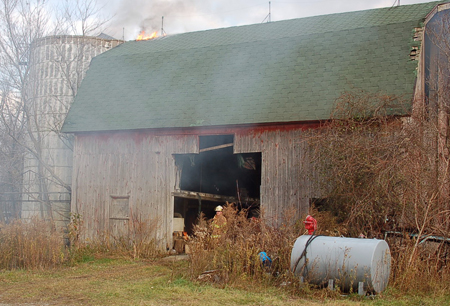
We’ve all seen it in the news or even know someone who had their barn burn down.  Thankfully many times without loss of life to human or livestock but sometimes with disastrous consequences. So what should you do to help prevent fires and how to prep should one happen to you?

Planning:

–       Fire Department – Get to know your fire department.  Stop over and talk with them about what you can do to make your barn fire safe or what you may need to help them do their job better.  For much of the information in this post I interviewed a wonderful Rochester Fire Fighter named …. Elvis.

–       Space – Your little ½ ton pickup and bumper pull trailer can make it down your driveway and maneuver just fine but can a fire truck?  How about multiple fire trucks?  Keep in mind they are pretty big so keep driving lanes and turn arounds clear of vehicles and overhead branches.

–       Water – Always a problem on farms that have wells.  My well tank holds only 100 gallons at a given time and takes about 30 min to refresh.  Way too slow to put out a fire.  Swimming pools and ponds are a good thing to have within a short distance to your barn should you need them.  Another reason for visiting your local fire house is to let them know what your water situation is and to find out if they have pumper trucks or not.

–       Smoke Detectors – when the fireman I interviewed mentioned this ,my reply back was “but my animals don’t know what that means and I can’t hear it from the house.”  He told me that it’s best to put them in any way.  There’s always the potential you can hear it if outside.  The animals may even act up at the sound and if you’re like me (watching from the kitchen window) you know when your animals are not in their normal “happy” state even if they are showing only passive signs.

–       Fire Extinguishers – Keep one by every entrance to your barn and to the feed room.

  • Extinguishers have expiration dates on them.  They typically will last just a few years.  If your extinguisher has expired replace it.  Your old one may still work but you don’t want to find out if it does or not when you need it.
  • Dry CO2 Extinguishers can fail due to inactivity.  Once a month or so take time to beat your extinguisher.  Pound it on the ground or better yet tip it upside-down and beat it with a rubber mallet. This will aggravate the dry contents so they don’t turn into cement on you.

–       Halters and Leads – You should have enough halters and leads that fit every single animal in your barn and on your property.  Keep them tidy and in easy to find areas.  Not only is this good for fires but for any time you may need to evacuate your farm.

–       Lightning Rods – Self explanatory

–       Emergency numbers – Keep them not only in your barn but also in every single other building on your property.  No good having them I the barn if it’s on fire.  My friendly interviewed fire fighter also suggests knowing the local number to your fire house not just 911.  It could mean getting help to you even faster if calling from a cell phone which is forced to use E911.

–       Evacuation Plan – If you manage to get your livestock out the barn where are you going to put them? On my farm animals all have free access to the barn and are never locked in.  Should the barn catch fire I can easily herd animals away from the barn and into the fields keeping them 100ft away from the barn.

Prevention:Barn Fire
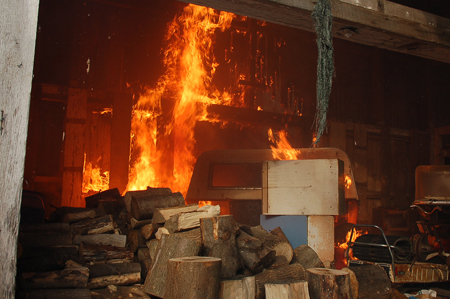
–       Clean barn – Keep your barn free of cobwebs and loose hay or straw.  Dust buildup on electrical outlets could cause shorts too.  We all know rodents will eat through electrical wire so keep a cat around to keep those pests out too. Keep weeds and brush away from yoru barn.  Round-up or string trim everything back.

–       Hay storage – ideally you’ll want to store your hay in another building NOT attached to your livestock area.  However, in WNY many barns have lofts so keep these tips in mind:

  • Most hay fires occur within 6 weeks of bailing.  For the first few months of having new hay in your barn check it daily to see if there is any suspicious heat coming from them.  You will know a bad bale when you feel it.  It will be extremely hot to the touch and steam will come out of it if you cut the bale open.  Use caution and don’t burn yourself when removing bad bales.
  • Air flow – It drives me crazy to see hay lofts shut up tight.  Hay needs to breath… keep the loft doors open.  When stacking hay do NOT stack it right up against the wall.  Instead leave it 2-3 feet away from the wall so that air can move around the bales.  Also, stack the bales up on pallets so air can flow underneath.  More airflow = dry hay which will be less likely to ignite on its own.
  • Clean your hay storage area at the end of every season.  Sweep out old hay and dirt before you put the next year’s hay in.

–       Bedding storage – bedding can burn just as easily as hay… Hello wood pellet stoves! Keep only enough bedding in the barn to do that day’s chores.  If you need an extra out-building to store extra bedding/hay/feed pick up a Garage-in-a-box at Tractor Supply.  $250 for a 12x8x20 holds a lot of stuff and will keep it away from your livestock.

–       Mulch – I would have never of thought of this.  Elvis told me a story about how last year he had to put out a fire because the landscape mulch spontaneously combusted.  I guess I’ll be decorating with rocks from now on.

–       Electrical – In an old barn or even a new one there are a lot of electrical issues that can occur.

  • Cleaning – we already covered this but keep your barn clean!
  • Extension cords – They are meant for one time uses not semi-permanent or permanent solutions.  If you find an area where you are constantly running an extension cord for a heated bucket or light then spend the time and $ to put a proper outlet there.
  • Plug Strips – Same goes for plugging multiple things into 1 outlet.  It is nice to have a plug strip but plugging too many things into 1 outlet can overload the wire which in turn heats up, catches a cobweb or hay on fire and poof, your place goes up like a match stick again.
  • Appliances – When possible unplug your appliances such as radios or coffee pots.  If using heated buckets, fans or portable heaters check them frequently.  Don’t let dust build up on fan blades or dirt get worked into the plug of your water bucket.
Creating a Pasture or Paddock Paradise

The concept of a Paddock Paradise is the brain child of Jaime Jackson who wrote a wonderful book on it.  (buy book here).   The general idea of a paddock paradise is to create an environment for your horse that as closely mimics their natural habitat allowing them to travel distance and obstacles throughout the day instead of standing in a stall or munching on lush pasture.

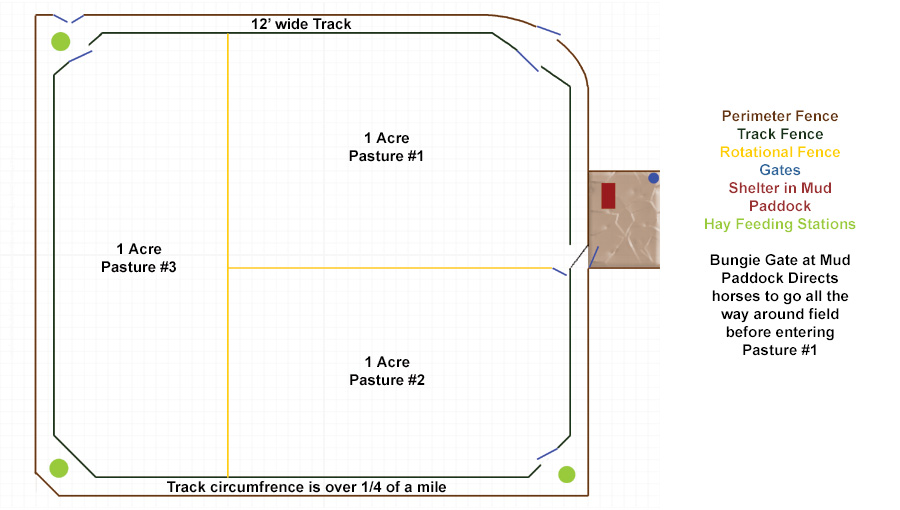
The paddock or pasture is engineered such that a track or lane is formed around the outside perimeter and when possible includes natural obstacles such as creek crossings, hills, down trees, shade trees and more.  Having a track around the pasture area allows the horses to move from point A to point B taking the longest route possible especially if things a horse wants are spread out within the track.  For example: Hay may be at one point in the track but shelter is at another point, water at another and minerals at even another position.  Your equine friend now has to get moving if they want something instead of just shuffling from one corner of the stall to another or one. 

If you want to learn more about giving your horses a more stimulating and natural environment check out these
Paddock Paradise References:
http://www.paddockparadise.com
http://paddockparadise.wetpaint.com/

Since I have been slowing taking down old fencing and putting up new perimeter fencing I have recently gotten out the graph paper and have been engineering my own paddock paradise (pp) for my small herd.

A little about my set up:

Acreage: 11 total but a little over 3 acres for horse use
Horses: 3 total – 2 mare, 1 gelding
Perimeter Fence: Wood Posts w/Electric Tape top and 3 electric braid rope under that
Mud Paddock: Enclosed with field fence with water/minerals and shelter.  Horses are locked full time in here spring and fall so they do not damage the 3 acre field.

Paddock Paradise Changes:

Track Fence: Step in fiberglass posts with Tape on top and 1 strand of braided rope under
Track: Track will be 12’ wide on the long sides and 20+ feet wide in corners to allow for resting/feeding stations
Pastures: Having a track will allow me to easily create (3) 1 acre rotational pastures with different entrance points for each yet keep my single point for water/mineral and shelter.

Dutch Hollow Acres Pasture Paddock Paradise


 Why am I making these changes?

–       I really wanted to create rotational grazing spaces but didn’t want to have the extra work of having to halter/lead each horse to the new pasture which also meant having to haul water to each of those pastures.  I also would have to be conscious that there would be no shelter in the rotational parts which would make me watch the weather even more.

–       In spring/fall when the ground is wet and muddy my horses are stuck in the mud paddock and stand still for almost a month or more before the ground freezes or dries enough to turn them out.  The track can be used year round and keep them walking by putting hay far away from shelter/water.

–       My horses are FAT! All that green grass with little walking on their part = one fat horse.  If I were to put a GPS on one of them for a day I’d doubt they’d walk more than ¼ of a mile.  Having this setup has proven that horses typically walk 2-7 miles a day on their own vs 1/2 mile or less with traditional paddocks.

–       Simple answer: Cut my work load down while increasing my horse’s!

If you are thinking of doing something similar I highly recommend getting the book.  It helps you a lot in all the planning.  Get out the graph paper and try different layouts for your property and keep in mind that mechanical equipment like trucks, trailers, tractors, mowers have to be able to get from point A to B also.

I’ve also been toying with the idea of doing a similar thing with my alpaca paddocks.  With the lush green grass in WNY I have some overweight alpacas and I’m thinking if I can get them walking more it’ll keep them in a better body score.  If I add areas with stone dust it would also help keep their nails trimmed too!

Again for more information about Paddock Paradise 

http://www.paddockparadise.com
http://paddockparadise.wetpaint.com/

Stocking Stuffer Ideas for the Alpaca Farmer

Head Lamp
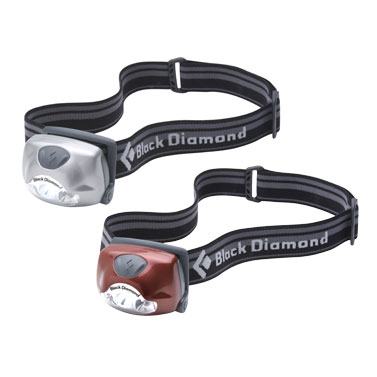
 Head Lamp  Head Lamp – Perfect hands fee light when you need to illuminate your way around on dark winter nights.
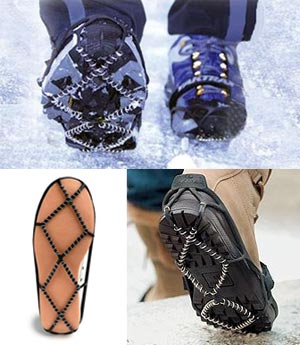
 Yaktrak  Yaktraks – Slip right on over muck boots to give a secure grip on even the most icy surfaces.  No more falls!
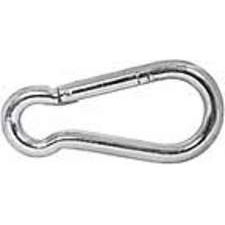
   Carabineers or Safety Snaps – I can never have enough of these around.  Help hold gates open, close hay nets, Water buckets, mineral buckets, and a million other uses.  They do break, rust and get lost and is always a “needed” farm item
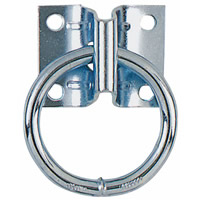
 Hitch Ring  Hitch Rings – What good would a snap be if you didn’t have something to attach it to? These rings work great for everything including your improvised homemade “paca trapper.”
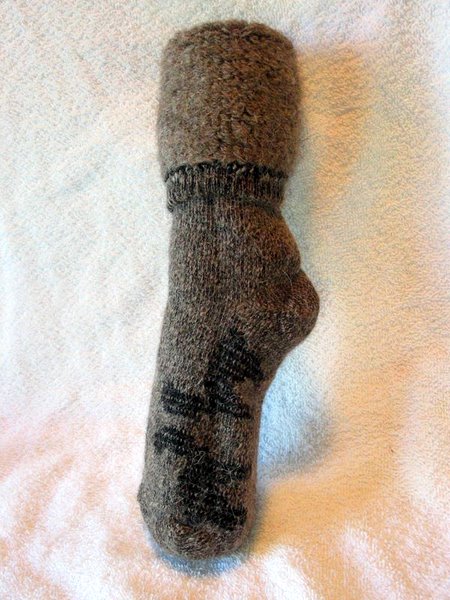
 AFCNA-Extreme-Alpaca-Sock  Alpaca Socks – Yes we may breed the animals and sell the socks but we too would love to keep warm with them!
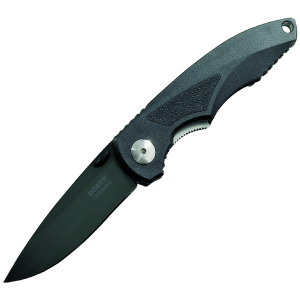
 barn knife  Barn knife, scissors, or snips – Ok alpaca folks, how many times have you gone to go get a bale of hay and can’t find your trusty utensil to cut the twine or snip the wire?!  I must have 4-5 hanging around the barn in various locations and always want more.
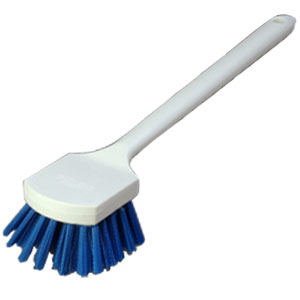
 Bucket Brush  Scrub brush – Hang one next to each and every water bucket you have! Keep your hands dry when doing a dump and scrub in the winter.
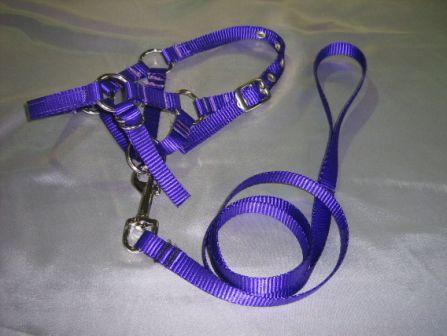
 Alpaca Halter and Lead  Halters and leashes – Technically you should have enough halters and leads hanging next to each stall to accommodate every single animal in that area in case of a fire or emergency.  How many of you actually have that many?
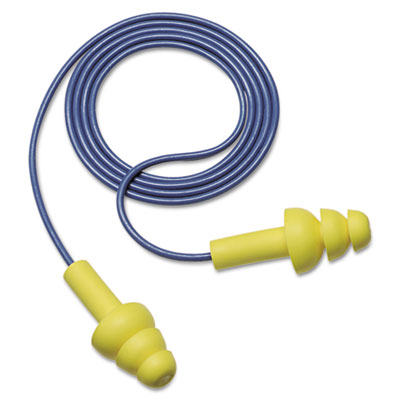
   Ear Plugs – another useful tool that constantly gets lost or is grungy.  You should always be using these when operating any machinery or when pounding t-posts.
 Gift Card  Gift Cards! – Not sure what to get? A gift card to Tractor Supply, Home Depot or Lowe’s is always perfect!

Big Bale Buddy Review – Year 2

Hello again everyone!  Well this is year 2 of using my Big Bale Buddy.  Yes it’s still in one piece with no rips or tears (that I didn’t purposely put there).  Click Here for Year 1 Review

This year I have a new hay supplier and the bales I’m feeding are smaller than the 4×5’s I had last year.  Which means my Large Buddy is too big for my new hay.  Whatever, since my buddy is now 2 years old and is out of warranty I opted to “modify” it to work with my current hay bales.  Well, let me tell you about my experimentation this year.

–       Attempt 1 – I put the “to large” buddy on the first bale and set it out as usual.  The horses almost immediately figured out that the buddy was too lose and pushed it down the bale and proceeded to make a mess. Errrr.

–       Attempt 2 – had me cutting a little hole and pushing a fish tape all the way through the “elastic” part of the buddy.  My hope was to back pull a rope and use that to cinch up the top so it would remain tight.  FAIL. The rope broke and the area was too tight to work in.

–       Attempt 3 – I happen to have a Shires Large Small Mesh Hay Net hanging around. I thought what if I make a slow feeder out of my buddy.  I punched holes in the buddy below the reinforced edge every 4-6 inches or so.   I then used an old nylon lunge line that was missing it’s snap end.  I wove the line though the buddy and then though the net all the way around and secured it with a knot.  After a few tries I learned that you always want to weave feeding the line from the inside to the outside of the buddy and to pull it tight with every weave cinching up the top.

Tada! Slow Feeding my round bale.  It’s a time consuming process though.  About 5 min to get the bale out and put the Big Bale Buddy on as usual and then another 15-20 minutes to weave the hay net into it.

I check the buddy every day to make sure nothing has broken, and that the hay net is still secure and no holes are forming where a hoof could get caught.

Feeding the round hay bale with a slow feeder is totally worth it.  My “naked” 500lb bale with 3 gluttonous horses only lasted from Sat – Thurs, 6 days.  My hay mesh modification extended the life from putting the bale out on Saturday and not having to put another one out until the following Tuesday.  That’s 10 full days AM and PM of the horses eating off of it.

If I am doing the math correctly; 500lbs over 10 days = 50lbs of hay per day being consumed vs. 84lbs being consumed per day without the saver.

NEWS UPDATE:  Of course just after I figured this whole slow feeding thing out the folks at Buddy Inc have come out with a full size slow feeding hay net that covers the entire round bale and even large square bales.   I think I’ll purchase one and test it out and give you all my 2 cents about it!


Farm Weekend

I thought I’d share some photos from our weekend.  The greatest find was a baby snapping turtle who was trying to get out of the trench M. dug for our utilities.  It was a bit of a surprise since the turtles seemed to have laid all their legs in my garden on the other side of the property.  Makes me wonder how he ended up in the trench.
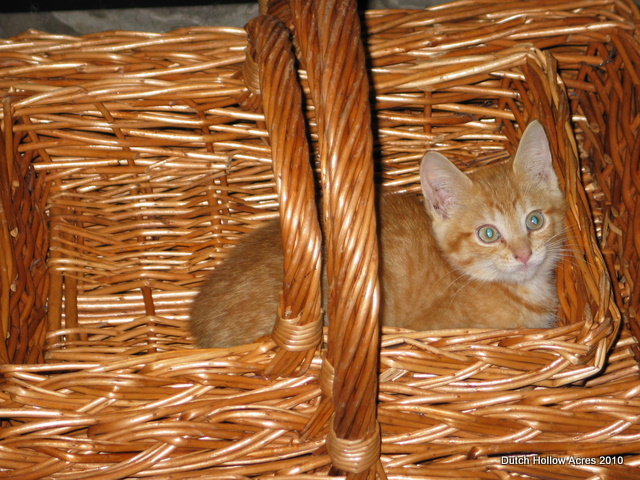
Our new kitten Frito in a basket.
Baby Snapping Turtle
Very wiggly snapping turtle
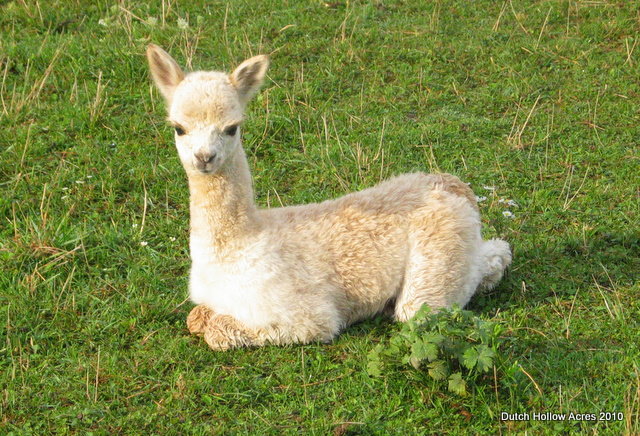
Dutch Hollow's Parcella D'oro
Vanilla and Parcella with Albina in the background